

The attack surface of an organization encompasses all IT assets exposed to potential attackers. This includes digital assets that are secure or vulnerable, known or unknown, and whether they are actively used or dormant. It also covers assets regardless of the awareness of IT or security teams
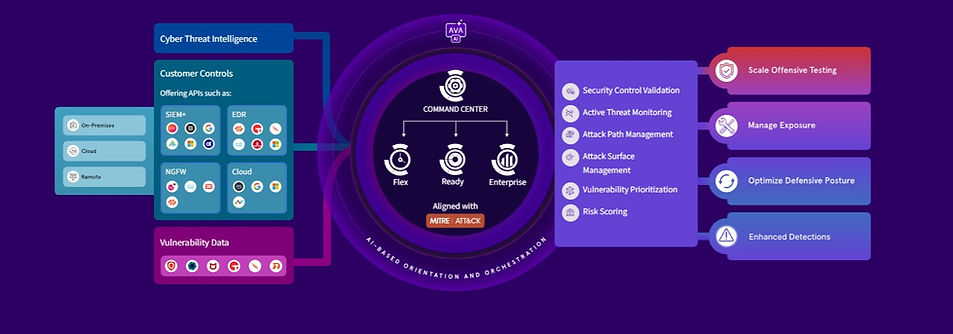
As organizations expand with cloud services, IoT, remote users, and third-party integrations, their attack surface grows. Effective Attack Surface Management identifies, monitors, and secures these dynamic assets—reducing vulnerabilities, enhancing visibility, and strengthening overall cybersecurity posture in real time.
An organization’s external attack surface includes internet-facing assets like web apps, cloud services, APIs, and remote access points. As digital transformation accelerates, this expanding surface demands continuous discovery, monitoring, and risk prioritization to reduce exposure and strengthen cyber resilience.
Unknown IT assets, including unauthorized cloud services or applications (known as Shadow IT), are often added to networks without proper oversight or documentation. These assets increase organizational risk as they may bypass regular security policies and practices
New technologies bring new vulnerabilities, and attackers continually evolve their tactics to exploit these weaknesses. Organizations must stay ahead in this arms race by continuously updating their ASM processes and tools to detect and mitigate these emerging threats
Over 70% of organizations miss the mark on prioritizing attack surface management, leaving them vulnerable.
Securicom’s Attack Surface Assessment helps you flip the script:
Identify Critical Vulnerabilities
Allocate Budget Efficiently
Defend Proactively
Ask yourself: “Why should we prioritize our cybersecurity budget towards an Attack Surface Assessment to effectively manage and mitigate the critical vulnerabilities identified? “
Enhance your digital security today!